

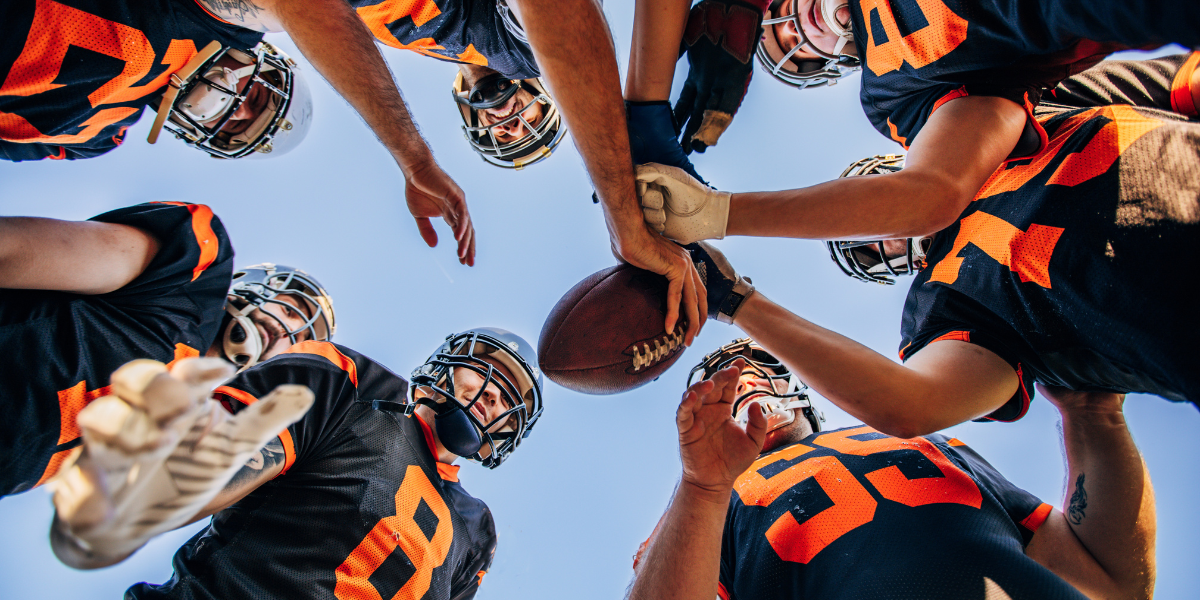
Name, Image, and Likeness (NIL) has changed the business of college sports. Student-athletes can now earn compensation from endorsements, sponsored social media content, merchandise, autograph signing, appearances, and other promotional opportunities while maintaining their athletic eligibility.
At first, it may not feel like a business, only an extension of who you already are. But once money starts changing hands, the dynamic changes. You are no longer just participating. You are engaging in commercial activity.
From an insurance perspective, that change can happen quickly. Once a name begins generating income through endorsements, content, or product promotion, it can also create liability that starts to look much more like business exposure.
The NIL Brand Lifecycle: When Personal Identity Becomes Business Liability
NIL activity is often treated as an extension of personal identity. But legally and from an insurance standpoint, it behaves like a business. That distinction doesn't begin at scale. It begins with categorization.
The progression is familiar:
- Build a following
- Engage an audience
- Start monetizing
- Expand into partnerships or products
The assumption is that insurance becomes relevant at the final stage. In reality, exposure often begins much earlier, sometimes with the first dollar earned.
What began as a policy change in 2021 has quickly evolved into a multi-billion-dollar NIL economy. As of 2026, athletes such as Arch Manning, AJ Dybantsa, Jeremiah Smith, and Carson Beck are associated with NIL valuations in the multimillion-dollar range, showing how quickly student-athletes can become commercial brands.
But this exposure does not exist only at the top of the market. A student-athlete signing a local deal with a gym, restaurant, or supplement company is entering the same commercial framework on a smaller scale. They promote products, generate income tied to their name, and take on obligations that look much more like business activity than personal expression.
A sponsored post functions as advertising. A discount code creates a transaction. A signed NIL agreement introduces contractual obligations. And that matters because personal insurance policies are not typically designed for commercial activity. If a product claim arises, a disclosure is missing, or a partnership creates a dispute, that athlete may be stepping into liability that looks much more like business exposure.
What Insurance Risks Do NIL Athletes Face?
What many student-athletes and families miss is that NIL risk is not abstract. Once income is involved, the exposure can begin to map to specific insurance issues, especially around advertising, contracts, product promotion, and data.
1. Advertising Injury: General Liability (Often Excluded or Misunderstood)
When someone promotes a product and a claim arises, whether tied to misleading statements, improper use of a competitor's brand, or reputational harm, the exposure may involve advertising injury, media liability, or other business-related coverage issues, depending on the facts and the policy language.
Personal policies are typically not designed to respond to this kind of commercial exposure, and while general liability may include some advertising-related protection, it can fall short if the activity is viewed as a professional or media service.
2. Content Liability (Media / Professional Liability)
If a post, video, or recommendation leads to financial harm, misrepresentation claims, or reputational damage, the exposure often falls into:
- Misleading advertising
- Failure to disclose sponsorships
- Defamation or disparagement
This is where media liability or E&O-style coverage becomes relevant. Many student-athletes are unlikely to have this type of coverage in place or think about it early.
3. Contractual Risk: Often Uninsured or Transferred
NIL agreements frequently include indemnification clauses that shift risk back onto the individual. If a brand is sued, deliverables aren't met, or a claim stems from the content itself, the individual may be drawn into the dispute and held financially responsible.
Insurance can address parts of this exposure, but only if coverage is in place before the agreement is signed. Otherwise, it becomes a direct financial obligation.
4. Data & Transactions and the Role of Cyber Liability
Even small-scale activities like running giveaways, collecting emails, or processing payments introduce data exposure. A breach, payment fraud incident, or platform vulnerability can quickly escalate into a financial issue.
While many assume the media platform absorbs most of that risk, it rarely covers everything. Cyber liability is often the least-considered risk and one of the fastest ways a side hustle can create real financial and reputational consequences.

What NIL Changes: Business Risk Starts Sooner
NIL did more than create a new income stream. It moved student-athletes into commercial activity faster than most of them, and the people advising them, realize. What may begin as a sponsored post, a local endorsement, or a merchandise drop can quickly create obligations around contracts, disclosures, advertising, and liability.
That is where the disconnect begins. The monetization is real, but the protection often lags behind it. For student-athletes, families, and advisors, the practical next step is to ask a simple question: once NIL income starts coming in, have the contracts, coverage, and structure kept pace with the risk?
Because the issue is not whether NIL can create value. It is whether the athlete is protected when that value creates a claim.
This article is not intended to be exhaustive, nor should any discussion or opinions be construed as legal advice. Readers should contact legal counsel or an insurance professional for appropriate advice.
About the Author