

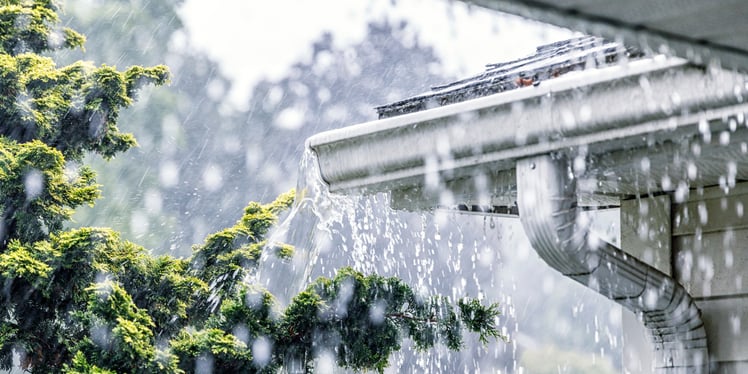
Storm forecasts often dominate the headlines when El Niño develops. But for property owners, the more important question isn't whether this season will be wetter, windier, or more severe than usual.
It's not if a major weather event will occur, but whether your business, property, or insurance program is prepared when it does. Rising rebuilding costs, higher insurance premiums, and supply chain disruptions can continue affecting businesses and individuals long after the storm has passed.
While El Niño is a naturally occurring climate pattern that develops in cycles every few years, it is commonly associated with increased rainfall in some regions. El Niño can also influence severe storms, hail, flooding, and other weather-related events, depending on where you live. More importantly, it serves as a reminder that a single storm rarely creates a single problem.
Whether El Niño or another weather pattern influences this season, the better question is: would your insurance cover the loss the way you expect it to?
Here are four areas worth revisiting before the next storm arrives.
1. Flood Coverage
One of the most common insurance misconceptions is that flood damage is automatically covered under a standard property policy.
In most cases, it isn't. Flood coverage typically requires a separate policy or additional coverage depending on the property and its location.
Flood coverage may require a separate policy depending on the property and location. Even businesses or homeowners outside traditional flood zones can experience damage from heavy rainfall, overwhelmed drainage systems, or rapidly rising water.
As weather patterns evolve, it's worth understanding what your policy covers before severe weather develops. Otherwise, what seems like a covered loss could become an unexpected out-of-pocket expense.
2. Property Value and Replacement Costs
Construction costs have changed dramatically in recent years.
Labor shortages, material price volatility, and supply chain disruptions have increased the cost of repairing and rebuilding damaged property. At the same time, buildings continue to change. Roofs are replaced, HVAC systems are upgraded, tenant spaces are renovated, and new equipment is installed.
Insurance values, however, are not always reviewed as frequently.
Consider a building insured for $2 million based on a valuation completed several years ago. If rebuilding costs have increased since that valuation, today's replacement cost may exceed policy limits, leaving the owner responsible for expenses that insurance may not fully cover. The Insurance Information Institute reports that property replacement costs rose 55% between 2019 and 2022 (nearly four times the rate of general inflation), highlighting how quickly rebuilding costs can outpace older property valuations.
For commercial properties, outdated valuations may also create coinsurance penalties that increase out-of-pocket costs following a loss.
3. Business Interruption Coverage
When a storm passes, the disruption often continues.
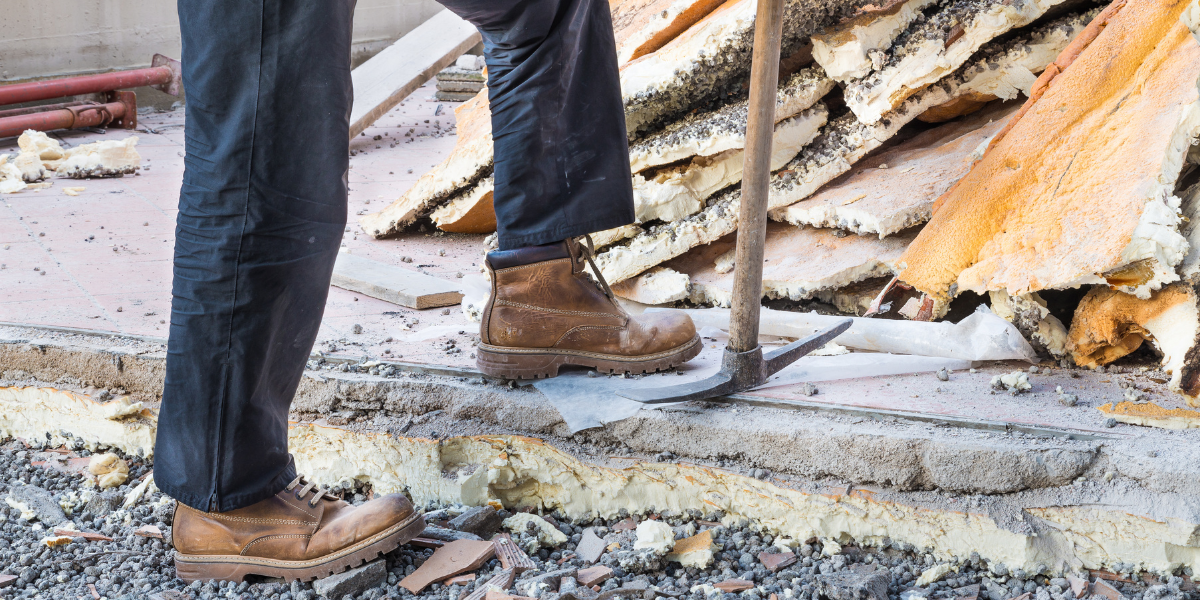
A damaged roof can usually be repaired. Lost revenue, delayed reopening, supply chain interruptions, and temporary relocations can take much longer to recover from.
That's why business interruption coverage deserves as much attention as the building itself.
If employees can't work, customers can't access your business, or equipment can't be used, the financial impact may continue long after physical repairs begin.
The storm may end in hours. The financial impact can last for months or even years as businesses work to recover lost revenue, replace damaged equipment, restore operations, and regain customers.
4. Policy Gaps You May Not Know About
Severe weather often reveals coverage gaps that only show up after a loss.
For example:
- Wind, hail, or named storm deductibles may differ from your standard deductible.
- Older buildings may require costly upgrades to meet current building codes after a loss.
- Water backup may be treated differently than flood damage.
- Coverage limits or endorsements may no longer reflect how the property is used today.
These details vary by policy, making it worthwhile to review them with your insurance advisor before severe weather develops.
A Good Time to Review
El Niño itself is temporary and cyclical. The questions it raises about property risk are not.
Changing weather patterns, rising rebuilding costs, and evolving property exposures make this a good time to review your insurance rather than waiting until after a storm.
Whether you own a home, manage commercial property, or operate a business, a conversation with your insurance advisor can help determine whether your property values, coverage, deductibles, and preparedness plans still reflect today's risks—not yesterday's assumptions.
This article is not intended to be exhaustive, nor should any discussion or opinions be construed as legal advice. Readers should contact legal counsel or an insurance professional for appropriate advice.
About the Author