

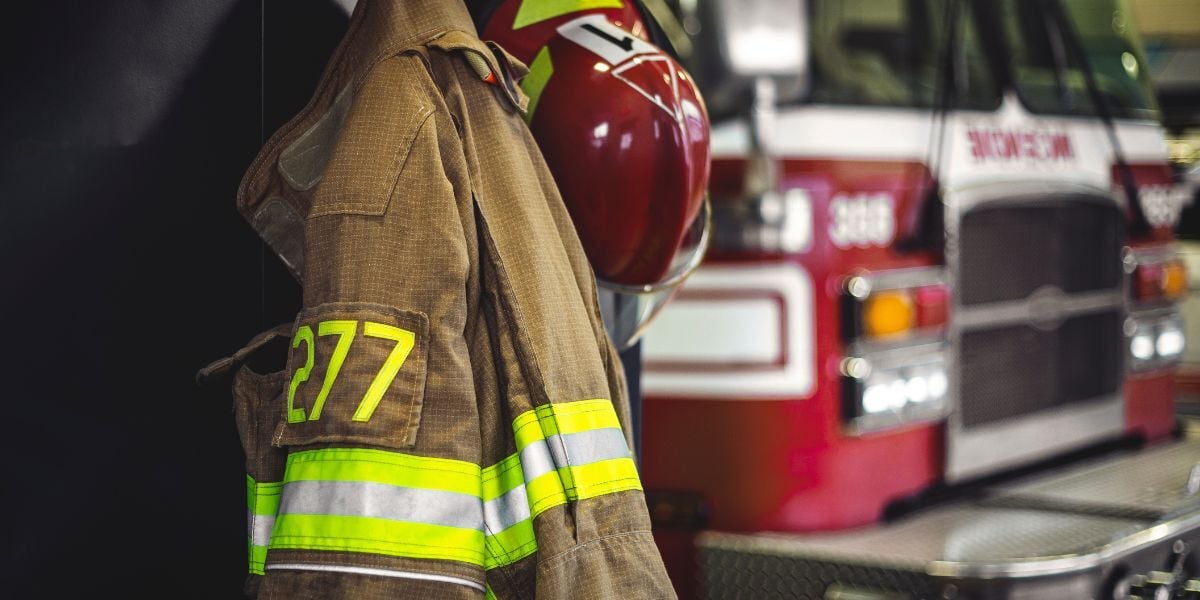
Imagine a hurricane damages your fire station and takes an engine out of service. Calls are coming in, crews need somewhere to operate, and repairs cannot happen fast enough. Your community needs you while your department is dealing with a loss of its own.
In Houma, Louisiana, firefighters spent nearly five years in temporary buildings after Hurricane Ida heavily damaged their Airbase Fire Station in 2021. The rebuilt station's completion, reported in October 2026, illustrates how long a department's own recovery can extend beyond the storm.
For fire chiefs and city leaders, that creates a lasting challenge: keeping crews ready to respond while repairing or replacing the facilities they depend on. Understanding what insurance would cover, and what the department would need to fund, is part of preparing for that responsibility.
An insurance program shows its value when it helps protect the department's resources and preserve its ability to serve. For fire departments across the Gulf states, that makes a coverage review worth prioritizing before the next renewal.
Have Your Fire Department's Insurance Options Changed?
When a fire department has used the same insurance program for years, renewing it can become routine. A periodic review gives chiefs and city leaders a chance to confirm the program still fits their operations and budget.
Specialized fire department insurance programs may offer eligible departments additional coverage options, different wind coverage arrangements, or more competitive pricing.
Ask your advisor to explain how available options compare with your current program, including deductibles, exclusions, coverage limits, and claims support. What would each difference mean if a station or vehicle were damaged?
A lower quote deserves a closer look at what changed. So does a higher quote that offers coverage the department previously lacked. A meaningful comparison helps you decide where insurance dollars offer the most value and which out-of-pocket costs your department is prepared to carry.
What Would Your Department Pay After a Gulf Storm?
For coastal departments, knowing whether wind is covered is only the beginning. The deductible and coverage limitations help determine how much money must be available when a storm disrupts operations.
Some departments in coastal or catastrophe-prone areas may now have wind coverage options that were previously unavailable or difficult to afford. Availability depends on locations, property characteristics, and underwriting review.
Whether reviewing an existing policy or a new option, ask:
- What deductible applies to wind or named storms?
- If it is a percentage, what does that mean in dollars, and how does it apply across locations?
- Are roofs subject to depreciation or other settlement limitations?
- Are there separate wind limits or exclusions?
- How is flood coverage addressed?
Wind coverage should not be assumed to include flood or storm surge. Most commercial property policies exclude flood, an important distinction when reviewing hurricane exposures.
Also consider what it would take to keep crews operating if the station were unusable. Ask whether extra expense coverage could help with necessary temporary arrangements after a covered loss.
Discuss those arrangements before an emergency, while there is time to evaluate both the logistics and the insurance.
Do Insured Values Reflect Today's Recovery Costs?
A station's original construction cost and an engine's purchase price provide historical context. Neither should automatically become the number carried forward at every renewal. If insured values fall behind replacement costs, the department may have to find additional funding before it can fully restore what was lost.
For buildings, review the estimated cost to rebuild, including specialized features and equipment. Consider whether ordinance or law coverage addresses additional expenses associated with meeting current building codes.
Apparatus needs its own review. The International Association of Fire Chiefs' 2026 apparatus planning guide addresses procurement, budgeting, and replacement amid continuing supply-and-demand challenges. Those same considerations make current vendor estimates useful when reviewing insurance values.
Ask how each vehicle should be valued after a covered loss. Actual cash value generally accounts for depreciation. Agreed value establishes an amount with the insurer, but that amount still needs regular review; it should not be assumed to cover the cost of a new equivalent apparatus.
Include mounted equipment, upgrades, and portable tools in the discussion, and confirm where each is insured. The engine gets crews to the scene, but the equipment they carry makes the response possible. Both deserve attention when reviewing coverage and values.
What Should Chiefs and City Leaders Review Together?
Before renewal, bring the department's operational needs and financial responsibilities into the same conversation. Review:
- Current station, apparatus, and equipment values.
- Storm deductibles in dollars and the funds available to meet them.
- Coverage for temporary operating expenses should you experience a covered loss.
- The amount the department or municipality could reasonably fund without compromising other essential services.
Your community relies on your department to be ready, even when the same emergency affects your own station and crews.
Ask your advisor to walk through a realistic loss scenario with you: a damaged station, an engine out of service, and crews who still need to answer calls. Understanding how your program could respond makes coverage decisions more concrete and helps reveal potential gaps before they become urgent funding needs.
That preparation helps protect your ability to keep responding, so your community can keep relying on you.
This article is not intended to be exhaustive, nor should any discussion or opinions be construed as legal advice. Readers should contact legal counsel or an insurance professional for appropriate advice.
About the Author