

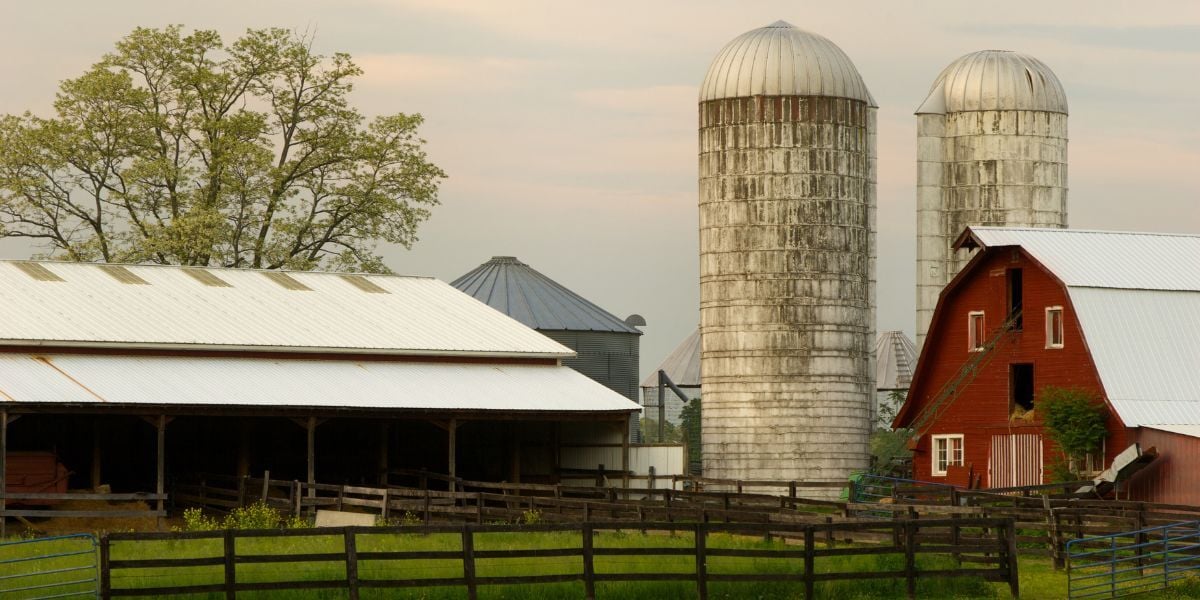
You added GPS guidance to the combine. Started doing custom work for a neighbor. Opened a roadside stand to bring in another source of income. Each of these decisions is important and serves a purpose. But when was the last time you discussed these changes with your insurance advisor?
A farm can change considerably between renewals, even when the buildings and acreage look much the same. Equipment upgrades, seasonal inventory, and new business activities can affect both the value of what you own and the responsibilities you take on.
If a loss happens, those details can determine how much financial responsibility stays with you. Coverage, exclusions, limits, and legal requirements vary by policy, operation, and state.
These five questions can help you start a more useful insurance review.
1. Could Your Coverage Support Rebuilding Today?
A machine shed built decades ago may still do its job. The amount listed on your policy, however, deserves a fresh look.
Start with the cost to repair or rebuild barns, sheds, and storage facilities. Then ask how the policy would value a damaged structure and whether any coinsurance requirement could reduce a claim payment. Replacement cost, actual cash value, and functional replacement cost can produce different outcomes, particularly for older buildings. Understanding that difference before a loss can help you plan how much you may need to pay out of pocket.
Seasonal inventory matters, too. Coverage that appears sufficient when bins are nearly empty may look different after harvest. Review stored grain, seed, and fertilizer limits against the highest amounts you expect to have on hand during the year.
2. Does Your Equipment Coverage Reflect What You Actually Use?
A combine's value includes more than the base machine. GPS guidance, precision agriculture technology, and aftermarket additions should be part of the coverage conversation.
Bring an updated equipment inventory to your review, including upgrades and current values. Identify machinery you borrow, rent, or lease, along with equipment you lend to others. Those arrangements can involve different coverage terms and responsibilities.
Timing also matters. If a machine is damaged during planting or harvest, repairs may be only part of the expense. Ask how your program addresses rental equipment, extra expenses, and lost income rather than assuming machinery coverage includes them.
3. Have New Revenue Streams Created New Liability Risks?
Custom harvesting, snow removal, direct beef or cider sales, and pumpkin patches can help diversify farm income. They also change how the business interacts with customers, visitors, and neighboring properties.
Describe these activities to your advisor, including how often you perform them and the revenue they generate. Depending on the activity and policy, additional coverage or an endorsement may be needed.
The goal is to make sure your insurance review reflects every part of the business, including work you might consider occasional or secondary.

4. Are Your Employees and Vehicles Part of the Review?
As more people help run the farm, safety responsibilities and insurance needs can become more complex.
Review who works for the operation, what they do, and how you train seasonal employees. Discuss workers' compensation requirements and coverage with your advisor, along with injury reporting and return-to-work procedures.
Vehicle use warrants its own review. An employee hauling supplies in a company truck raises a different insurance question than someone using a personal pickup for a farm errand. Identify owned, rented, and employee-owned vehicles used for business, and confirm how liability and physical damage are addressed.
5. What Could Disrupt Your Farm and What Would Recovery Require?
A fire can destroy a processing building in hours. Restoring the operation may take much longer.
Beyond rebuilding, consider how you would handle continuing expenses, temporary arrangements, and missed revenue. Ask what would trigger business income coverage, how long it could respond, and which expenses it addresses. Contract penalties or missed delivery obligations should be discussed separately rather than assumed to be covered.
Other exposures deserve attention based on how your farm operates:
- Fuel, chemicals, and manure: Review potential cleanup costs and liability involving storage, spills, or runoff. Include chemical application in that discussion: If spray drifts onto a neighboring crop, what protection applies?
- Livestock: Discuss transit accidents and mortality coverage, including covered causes of loss and exclusions.
- Connected systems: Consider what happens if ransomware or another cyber incident disrupts scheduling, records, or automated operations.
These questions help connect the insurance discussion to the practical challenge of getting back to work when a loss occurs.
Prepare for Your Next Farm Insurance Review
Before your next insurance review, make a list of what has changed since your last conversation, including equipment purchases, inventory levels, staffing, vehicles, and new sources of revenue. Sharing those details can give your advisor a clearer picture of your agribusiness and help them evaluate whether your current insurance still reflects the farm you're running today.
An insurance advisor can help you review how your coverage addresses those changes, explain relevant limits and exclusions, and discuss options for areas that need attention.
Download our Farm Insurance Checklist to organize your questions and prepare for your next conversation with your advisor.
This article is not intended to be exhaustive, nor should any discussion or opinions be construed as legal advice. Readers should contact legal counsel or an insurance professional for appropriate advice.
About the Author