

California landscapers are accustomed to planning around weather. But the 2026–2027 winter may require a little more preparation than usual.
According to NOAA's latest outlook, El Niño conditions may develop during the upcoming rainy season, increasing the potential for heavy rainfall, flooding, and erosion across parts of California. For landscape contractors, preparing for those conditions isn't just about keeping projects on schedule. The work done before the rain arrives can also help protect employees, equipment, jobsites, and clients' properties.
Now is a good time to look at where problems could develop and address them before the first major storm.
1. How Landscapers Can Improve Drainage Before Heavy Rain
Heavy rain has a way of revealing drainage problems quickly. Before the rainy season gets underway, walk client properties and active job sites and look for potential trouble spots, including:
- Clogged drains, gutters, and drainage channels that could prevent water from moving away from the property.
- Low-lying areas where water already tends to collect or pool.
- Slopes and recently disturbed soil that may be more vulnerable to runoff and erosion.
- Leaves, soil, and other debris that could block drainage paths during heavy rainfall.
Landscape crews are often in a good position to spot these vulnerabilities because they know the property and how water typically moves across it. Addressing them before heavier rain arrives can help reduce drainage and runoff problems later.
2. Landscapers Can Help Prevent Erosion During Heavy Rain
Drainage is only part of the equation. Landscapers should also look at what the water may carry with it.
Bare soil, newly graded areas, and slopes can be particularly vulnerable to erosion during periods of sustained or heavy rain. Depending on the site, measures such as mulch, vegetation, fiber rolls, erosion-control blankets, or other appropriate controls may help slow runoff and keep soil in place.
In addition to soil loss, erosion can damage landscaping investments, hardscaping, walkways, retaining walls, and even neighboring properties if runoff is not properly managed.
Properties near hillsides or areas previously affected by wildfire may require particular attention because saturated soil can increase the potential for mud and debris flows.
The goal is to identify vulnerable areas before several days of rain turn a manageable issue into a much larger problem.
3. Why Landscapers Inspect Trees Before Winter Storms
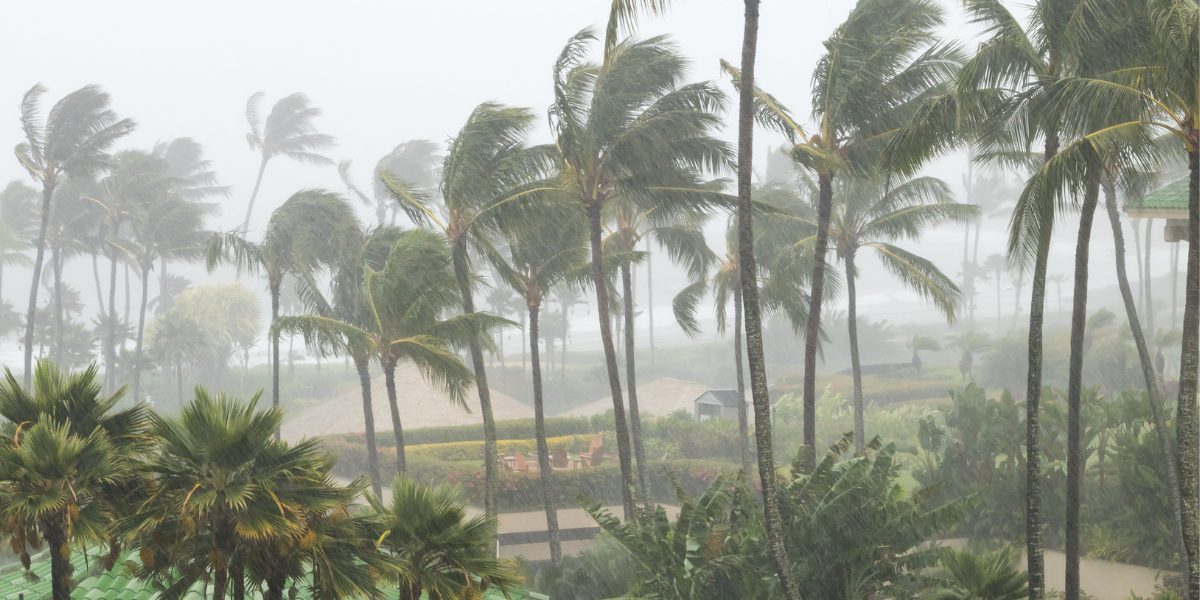
Rain may get most of the attention during El Niño, but storms can also bring wind and saturated soil.
Trees with damaged limbs, weakened root systems, or other signs of instability can create hazards for buildings, vehicles, employees, and the public. Landscape contractors should consider incorporating tree observations into preseason property inspections and recommend evaluation by a qualified tree professional when concerns arise.
Crews should also look for loose materials, equipment, and other items that could move during heavy rain or wind.
4. How to Prepare Crews and Equipment for El Niño's Changing Conditions
El Niño preparation should extend to the landscaping business itself. Wet surfaces, mud, reduced visibility, and unstable ground can change working conditions quickly. Before heavier rain arrives, consider:
- Reviewing severe weather procedures so crews understand when conditions may require work to be stopped or postponed.
- Checking vehicles and equipment, including maintenance needs and tires, before crews encounter wet or muddy conditions.
- Reevaluating equipment storage and parking, especially if vehicles, trailers, or equipment are kept in low-lying or flood-prone areas.
- Planning for potential jobsite disruptions such as flooded roads, inaccessible properties, or several consecutive days of rain.
- Establishing a communication plan for notifying employees and customers when weather affects schedules or access to a jobsite.
Reviewing these scenarios before a storm can help contractors protect their crews and equipment while keeping customers informed when schedules need to change.
5. What Insurance Should Landscapers Review Before El Niño
Storm preparation is also an opportunity to review the risks that sit behind the operation.
Landscape contractors rely on vehicles, trailers, tools, and specialized equipment to keep their businesses moving. Severe weather can also create property damage, employee injuries, and interruptions to normal operations.
Reviewing commercial auto, equipment, property, general liability, and workers' compensation coverage with your insurance advisor before winter can help identify potential gaps and clarify how different types of storm-related losses may be handled.
It is especially important to understand how flood and surface-water damage are treated under your policies, since standard commercial property policies may not cover every type of water-related loss.
Preparation Is Part of the Job
No landscaper can control how much rain California receives this winter. But contractors can control how well they prepare for it.
Walking properties before the rainy season, addressing drainage and erosion concerns, evaluating trees, protecting equipment, and reviewing safety procedures can help reduce the chance that a winter storm becomes a larger loss.
Preparation should also include taking a closer look at your insurance program. Before the rain arrives, talk with your insurance advisor about your current operations, equipment, vehicles, and potential weather-related exposures.
A proactive review can help identify potential gaps and make sure you understand how your coverage may respond when severe weather affects your business. Don't wait for the first major storm to find out where you or your clients may be exposed.
This article is not intended to be exhaustive, nor should any discussion or opinions be construed as legal advice. Readers should contact legal counsel or an insurance professional for appropriate advice.
About the Author