

June 2, 2026
Workplace well-being has been part of the conversation for years. Most organizations have experimented with it in some form through step challenges, wellness portals, lunch-and-learns, or an employee assistance program.
And yet, many employers would say the same thing: Participation is inconsistent. Impact is difficult to measure. And over time, the effort loses momentum. That's not because well-being doesn't matter. It's because most leadership teams are solving for activity instead of strategy.
Too often, well-being is treated as a program layered onto existing benefits rather than something built into the foundation of how an organization operates. That distinction matters more than it seems.
Why Do Workplace Well-Being Programs Fail?
In many organizations, well-being lives within HR as a supporting initiative. It may sit alongside benefits, employee experience, or learning and development. It's often assigned to a coordinator or managed as a series of activities throughout the year.
At a glance, that structure feels reasonable. In practice, it creates a ceiling.
When well-being is managed at a tactical level, it struggles to influence the things that shape employee outcomes, workload expectations, behavior, communication, flexibility, and culture. Without that alignment, even well-designed programs tend to stall.
It happens gradually: engagement declines, well-being becomes viewed as a "nice-to-have," and over time, it disconnects from the business outcomes it was meant to support.
This is where many leadership teams get stuck. The issue often isn't effort; it's focus. Many companies are navigating constant business pressures and competing priorities, making conversations around people strategy increasingly noisy. Employers that make progress are often the ones able to separate short-term distractions from the signals that truly influence workforce and business outcomes.
For example, it's not uncommon to see an organization promote well-being during open enrollment, encouraging preventive care, healthy behaviors, and resource utilization, while at the same time maintaining workloads, packed meeting schedules, or expectations around constant availability that make it difficult for employees to act on that guidance. Over time, employees recognize the disconnect. Participation drops, not because they don't value well-being, but because the environment doesn't support it.
How Employee Well-Being Needs Change Across Life Stages
Part of the challenge is that the workforce has changed in ways that traditional programs don't fully account for.
Across generations, employees are experiencing very different pressures:
- Many younger employees describe themselves as physically healthy, yet report increasing levels of anxiety and mental health concerns. In fact, nearly 70% of Gen Z employees report concerns about their mental health, even while rating their physical health positively.
- Mid-career employees are often balancing competing demands: raising families, supporting aging parents, and managing financial strain at the same time. Nearly half report difficulty keeping up with basic expenses, and many are managing multiple income streams or side work to stay afloat.
- Later-career employees are increasingly delaying retirement. Nearly 6 in 10 workers now expect to retire at age 70 or later, extending careers and reshaping workforce dynamics, leadership pipelines, and long-term cost structures.
While these may look like separate challenges, a consistent pattern emerges when you step back. Across generations, employees tend to prioritize the same core outcomes: enjoying life, maintaining their health, securing their financial future, and supporting their families.
The intent is shared. The pressure points show up differently depending on each employee's stage of life.
The Hidden Risk: When "Feeling Fine" Isn't Enough
One of the most subtle risks organizations face is the gap between how employees feel and what the data shows. Many employees report being in good or excellent health. But at the same time, a significant portion of the population is not engaging in preventive care or regular health screenings.
Preventive care utilization remains inconsistent. The Centers for Disease Control and Prevention (CDC) reports that many U.S. adults do not receive recommended preventive services, even when they report being in good health. This means no annual physical, no preventive screening, no baseline check.
When people rely on how they feel rather than routine care, underlying issues can go unnoticed until they become more serious and costly.
From an employer's perspective, that shows up later as higher claims, reduced productivity, or more significant health interventions. This is where well-being shifts from a "nice-to-have" to a risk management strategy.

What a Well-Being Strategy Should Actually Focus On
One of the most common mistakes employers make is investing in well-being without first defining what it means for their organization and what success should look like. Without that clarity, it's easy to default to adding programs or activities rather than designing an employee experience that supports long-term goals.
For some companies, the priority may be to reduce burnout and improve retention. For others, it may center around engagement, preventive care participation, workforce culture, or long-term claims performance. The strategy only becomes measurable when organizations clearly define both what they are trying to improve and what success should look like over time.
A well-being strategy is not about adding more activity. It's about building infrastructure that consistently supports people. This includes:
- Policies that support flexibility and real-life demands
- Leadership alignment and visible support
- Communication that builds trust and connection
- Manager capability and day-to-day reinforcement
- Data that informs decisions over time
This is the shift from perks to infrastructure, where well-being becomes part of how the organization operates rather than a series of isolated initiatives.
One large automotive dealership group wanted its well-being efforts to become more than a claims-management tool and instead strengthen culture and employee trust. Through on-site biometric events, employees gained access to preventive health information and created opportunities to engage with HR and leadership. The pilot generated strong participation and positive feedback, leading the organization to expand the program across additional locations and continue using the data to guide future well-being strategy.
And importantly, this is not a short-term effort. Well-being outcomes are not measured in a single year. They require a multi-year strategy, with intentional design, consistent reinforcement, and ongoing evaluation.
Why Is Manager Buy-In Important for Employee Well-Being?
Even the most thoughtful strategy can fall short without manager alignment. If managers are not bought in or equipped to reinforce the strategy, adoption will struggle.
Managers are often the closest point of contact employees have with the organization. They influence how policies are experienced, how communication is interpreted, and whether employees feel support in using available resources.
In many cases, well-being strategies don't fail because of poor design. They stall because the people responsible for reinforcing them were never fully brought into the strategy.
Manager alignment isn't optional—it's foundational.
Why a Holistic Approach to Employee Well-Being Matters
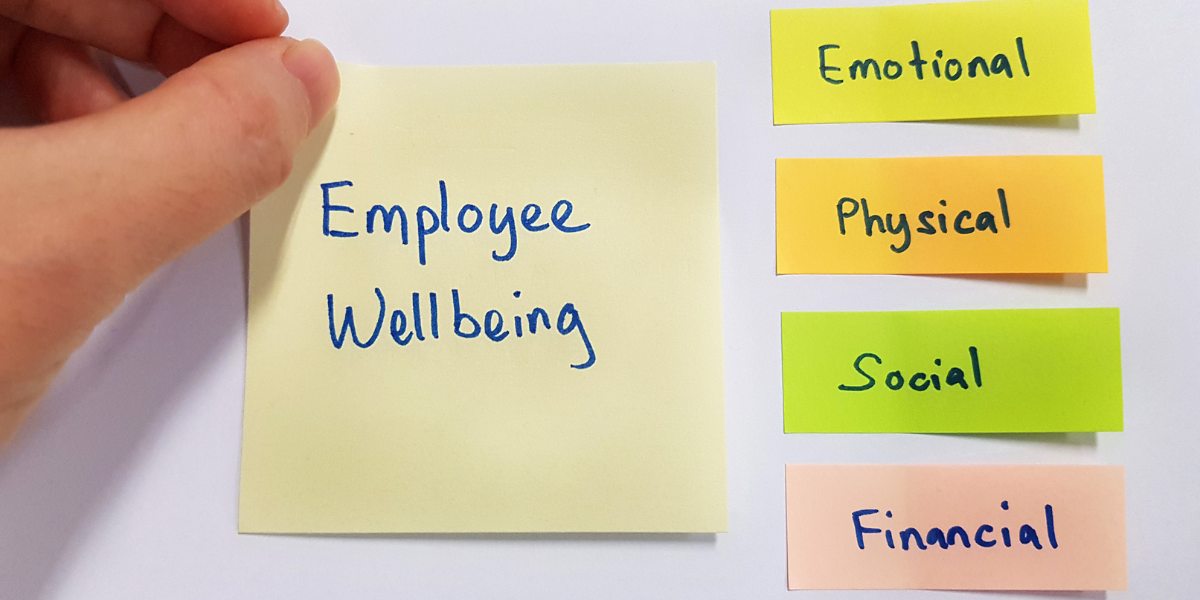
A more effective model for well-being takes a broader view. Rather than isolating it within a single program, it connects multiple dimensions:
- Physical health
- Mental and emotional well-being
- Social connection
- Financial stability
Each of these areas influences the others. Financial stress can affect mental and physical health, while social connection often shapes engagement and retention.
When these areas are addressed together, well-being becomes more practical, more relevant, and more impactful.
How Can Employers Improve Workplace Well-Being Over Time?
Well-being is often described as an afterthought or "nice to have." This is a misconception. It directly intersects with some of the most pressing challenges organizations face: cost management, workforce stability, engagement, and long-term performance.
The goal isn't to add more programs. It's about stepping back and evaluating whether well-being is positioned to influence how your organization actually operates.
For leadership teams looking to make meaningful progress, the first step is often simpler than expected: take inventory of the programs, policies, and everyday practices already influencing employee well-being, even if they don't traditionally sit under the benefits umbrella.
Policies, manager behaviors, workplace resources, and culture all shape the employee experience. Many organizations already have pieces of a well-being strategy in place; the challenge is aligning them intentionally rather than treating them as disconnected efforts.
Employers that make this shift don't just see higher participation. They see stronger alignment between their people strategy and business outcomes, which is where well-being starts to deliver real value.
This article is not intended to be exhaustive, nor should any discussion or opinions be construed as legal advice. Readers should contact legal counsel or an insurance professional for appropriate advice.