

July 22, 2026

Are you utilizing your employer wellness program to its full potential?
These programs, often viewed as just another perk, can be a smart strategic tool for organizations. When they are structured effectively, wellness programs for employees can help lower healthcare costs and even give employee productivity and satisfaction a boost. I often say that an intentionally designed wellness program can accomplish two things: be a health claims mitigator and a culture driver.
However, creating an employer wellness program that truly impacts both well-being and the bottom line involves much more than offering gym memberships or annual health screenings. Read on to learn more about how to structure an effective employer wellness program that can improve your business's bottom line.
Do Employee Wellness Programs Lower Costs?
First, it's important to understand just how these programs can translate to savings. One of the most comprehensive studies on this subject was conducted by Harvard in 2010. Researchers found that for every dollar spent on wellness programs, companies could see their healthcare costs fall by $3.27 and their absentee costs drop by $2.73.
Even though this data is over a decade old, it still provides a good starting point for potential savings. Considering that healthcare costs are still rising, these reductions in costs could be even more significant.
There have also been more recent studies published by the Integrated Benefits Institute. In a comprehensive review of 61 studies spanning 25 years, the Institute found that early detection programs (common cornerstones of wellness programs) yielded positive economic outcomes 100% of the time.
Here's a closer look at just how these types of programs can help lower costs for employers:
- Reduced Healthcare Expenses: Regular health screenings and preventive care can detect health issues early. Similarly, programs that promote a healthy lifestyle can help ward off chronic diseases. Both of these can reduce the need for expensive treatments in the future.
- Decreased Absenteeism: Simply put, healthy employees come to work! Wellness programs that focus on stress management and other types of health education can help reduce the number of sick days taken.
- Lower Rates of Presenteeism: Some employees feel the pressure to go to work even when they don't feel well and are not their most productive. Programs that focus on mental health can help employees come to work more engaged.
- Enhanced Employee Retention: Forbes recently highlighted how wellness programs can play an important role in employee retention. Improving retention can save organizations since the cost to recruit and train new employees is much higher than it is to keep them.
- Fewer Workers' Compensation and Disability-Related Costs: Programs promoting safe movement can help reduce workplace injuries. Healthier employees also have faster recovery times. This means shorter durations of disability claims.
- Improved Employee Engagement and Performance: Time and time again, workplace wellness programs are shown to help improve engagement and productivity among employees. And when employees are more engaged, your business might just become more profitable.
How to Structure an Employer Wellness Program
With an understanding of the benefits of wellness programs for employers, it's time to learn how exactly to structure them. There's no one-size-fits-all approach to creating an employer wellness program. However, following these steps can help create a good foundation:
Setting Goals and Objectives
The first step is to outline what you want to achieve from your wellness program. Perhaps you want to help boost employee morale, or maybe your focus is on reducing healthcare costs. You should also take time to understand your employees' health concerns and preferences.
This ensures your wellness program aligns with both your business objectives and your employees' needs.
Designing the Wellness Program
These goals will help guide how your employee wellness program is designed. It's important to tailor programs that address the varying health needs of different employee demographics.
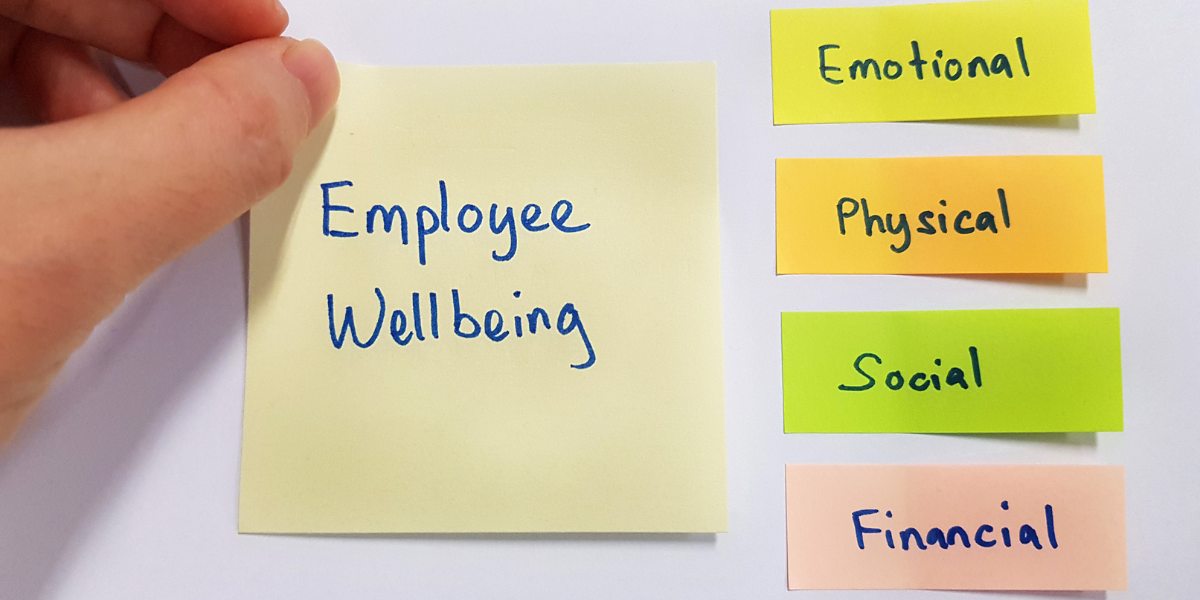
Most of these components focus on the trifecta of wellness:
Physical Health
- Fitness Programs: Offer fitness classes at work or credits for fitness activities outside of work. Consider a mix of aerobics, yoga, and strength training designed to suit all levels of fitness and encourage regular physical activity among employees.
- Dietary Consultations: Deliver access to nutritionists who can provide personalized dietary plans to help employees make healthier food choices. Complement this by offering healthy snacks and lunches at the office.
- Health Screenings: Provide support for regular screenings for blood pressure, cholesterol, glucose levels, and other health indicators that can help in the early detection and management of potential health issues. Give employees time off for these activities that are essential to their health.
Mental Health
- Stress Management Workshops: Stress can have a negative effect on productivity at work. Consider including programs aimed at helping employees learn how to manage stress effectively.
- Counseling Services: Confidential counseling services to support employees dealing with personal and professional challenges, which can help in preventing mental health conditions from worsening.
- Mindfulness Sessions: Classes or sessions that teach mindfulness meditation techniques can help employees reduce stress and increase focus and awareness.
Workplace Environment
- Ergonomic Assessments: Make sure workstations are designed to minimize the risk of injury and enhance comfort.
- Break Optimization: Strategies to encourage regular breaks during the workday, which can help maintain high levels of productivity and prevent burnout.
- Creation of Relaxation Spaces: Dedicated spaces where employees can unwind or meditate during breaks.
Implementation Strategies
When it's time to roll out your employer wellness program, start small. Testing the waters with a pilot program can help gauge employee response. This also gives you time to make adjustments before expanding the offerings to a larger group.
Make sure to communicate the benefits of these programs as well. Use incentives and make the wellness program accessible through apps and other convenient channels to keep engagement strong.
Measuring Success and Making Adjustments
Employer wellness programs need to change with the times. It's important to track metrics and regularly check in to assess the impact of your program on health outcomes and overall costs. Then, you can adjust the program based on feedback and scale successful strategies to maximize your savings.
Ready to experience the benefits of wellness programs and lower healthcare costs at your organization? Consider World Insurance as your partner who can provide solutions for both your local and global employees.
Contact us today to learn more about our benefits options!
This article is not intended to be exhaustive, nor should any discussion or opinions be construed as legal advice. Readers should contact legal counsel or an insurance professional for appropriate advice.